
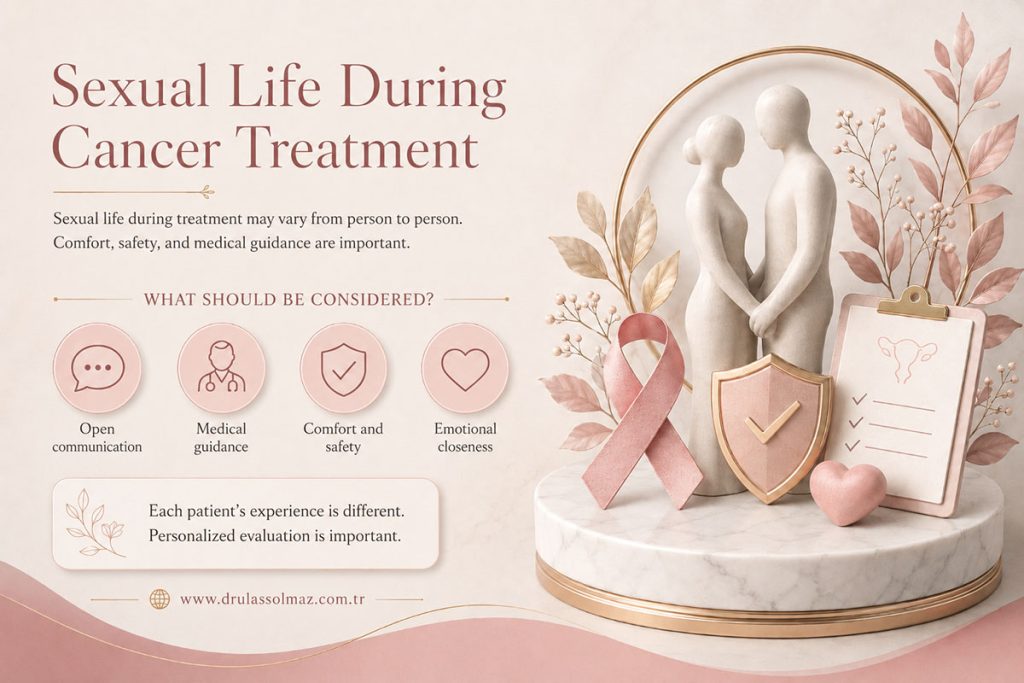
Sexual life during cancer treatment is a topic that is often left unspoken, yet it is an important reality that should be discussed.
Receiving a cancer diagnosis is one of the most difficult experiences a person may face in life. From the moment of diagnosis, patients may have countless questions about surgery, chemotherapy, radiotherapy, and the overall treatment process. However, during this intense period, sexual life is often not discussed, postponed, or left unspoken because of embarrassment.
The World Health Organization defines sexual health as an integral part of overall health. The aim of cancer treatment is not only to treat the disease, but also to help the person preserve quality of life and return to normal life.
Why Does Cancer Affect Sexuality?
Cancer itself, surgical procedures, chemotherapy, radiotherapy, hormonal changes, early menopause, vaginal dryness, pain, fatigue, and psychological processes may affect sexual life. Most of these changes can be treated or reduced with appropriate approaches.
Is Decreased Sexual Desire Normal?
Fear of surgery, anxiety about the future, hair loss, pain, sleep disturbance, depression, and hormonal changes may lead to a decrease in libido. This condition is often temporary.
Sexual Life After Surgery
After laparoscopic or robotic hysterectomy, avoiding sexual intercourse for approximately 6–8 weeks is generally recommended. After radical hysterectomy, this period is usually 8–12 weeks. Sexual life should be resumed after vaginal healing is complete and following medical evaluation by the doctor.
During Chemotherapy
Receiving chemotherapy does not, by itself, prohibit sexual intercourse. However, intercourse may need to be postponed during periods of infection, fever, low platelet count, or severe fatigue. Because of some medications, condom use may be recommended during the first 48–72 hours.
After Radiotherapy
Pelvic radiotherapy may cause vaginal dryness, vaginal narrowing, loss of elasticity, and pain during intercourse. Vaginal moisturizers, water-based lubricants, vaginal dilators, and pelvic floor physiotherapy may provide significant benefit.
Vaginal Dryness
Vaginal dryness may develop especially after removal of the ovaries or early menopause. Moisturizers and lubricants may improve quality of life. Hormonal treatments must always be planned with a doctor’s recommendation.
Vaginal Dilator
A vaginal dilator may be used after pelvic radiotherapy to help prevent vaginal narrowing. Regular use may help preserve vaginal flexibility and reduce pain during intercourse.
Your Partner’s Support Is Important
Cancer affects not only the patient, but also the partner. Open communication, sharing emotions, and receiving professional support when needed may help strengthen the relationship. Sexuality does not only mean sexual intercourse; it also includes touching, hugging, and emotional closeness.
When Should You Consult a Doctor?
You should consult your doctor if you experience severe pain, bleeding, foul-smelling discharge, fever, significant vaginal narrowing, prolonged loss of sexual desire, or intense psychological distress.
Final Word
Sexual life does not have to end completely after cancer treatment. Today, thanks to advanced surgical techniques, supportive treatments, and rehabilitation, many patients can return to a safe and satisfying sexual life. Each patient’s treatment plan and process of returning to sexual life is individual.
Frequently Asked Questions
Is sexual intercourse prohibited during cancer treatment?
When appropriate conditions are met, sexual intercourse is possible for most patients.
Does sexual life end after removal of the uterus?
After healing is complete, many women can return to their normal sexual life.
Does chemotherapy reduce sexual desire?
Yes, but this is often temporary.
Is contraception necessary during treatment?
For patients who still have fertility potential, contraception should be planned together with the doctor.
Who should I consult if I experience a problem?
The first point of consultation should be the gynecologic oncology specialist who is following your care.
